Guided reasoning meets deep retail IQ.

Your specialty retail agent for what’s next.

Guided reasoning meets deep retail IQ.

Your specialty retail agent for what’s next.

Surface KPI wins, insights and recommended actions before you ask.

Surface KPI wins, insights and recommended actions before you ask.

AI Agents & Analysts
Grounded in Decades of Retail Analytics Experience
Spanning More Than 60 Speciality Retail Brands
Belk
Big-5
Blue-Mercury
Burberry
Burlington
Carters
Davids
David-Yurman
DXL
Five-Below
Foot-Locker
Gap-Inc
Guitar-Center
Hallmark
Hibbett
Hot-Topic
Janie-and-Jack
lululemon
Mens-Wearhouse
Michael-Kors
Michaels
Pacsun
Rural-King
Snipes
SportChek
The-World-of-RH
Torrid
True-Religion
West-Marine
THE ISSUE
Timely insights to better serve the customer
The Old way
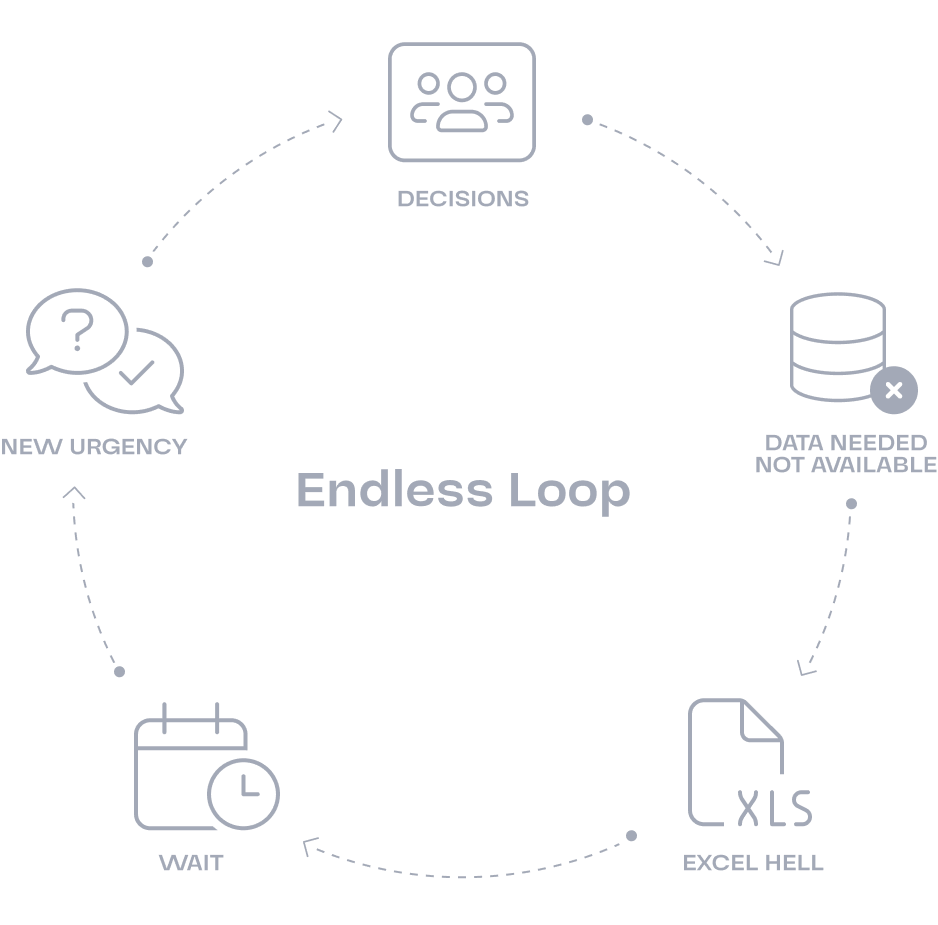
The loop of analytic despair.
There are not enough analysts to keep up.
The Sell-Thru.AI way
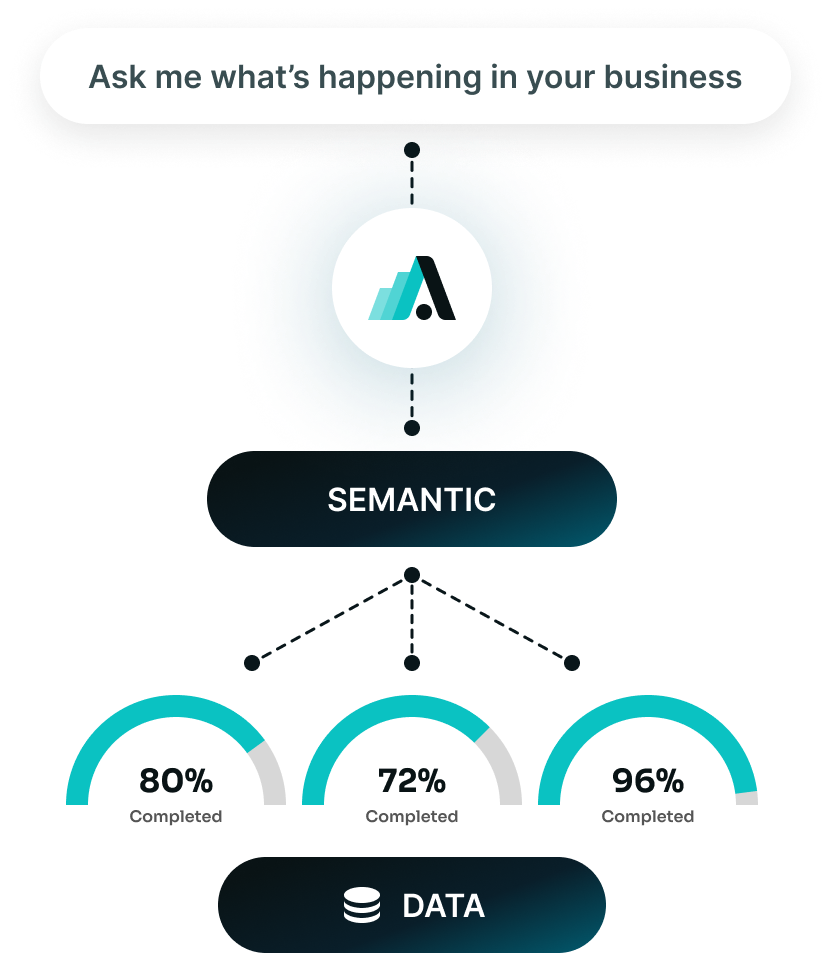
Talk to your operational data.
Role-aware AI insights before you ask.
Role-aware AI agents supporting your daily decision loop
Merch-Agent
Merchandising
How is Boho Collection selling across Channels?
Marketing-Agent
Marketing
How is Back to School promo doing?
Omni-Ops-Agent
Omni Ops
Ecomm only Hoodies & Tees performance?
Store-Ops-Agent
Store Ops
Category variability across regions?
Supply-Chain-Agent
Supply Chain
What DCs need replenishment?
Finance-Execs-Agent
Finance / Execs
How are we trending relative to plan?
Frequently Asked Questions
Explain AI Agents vs AI Analysts?

AI Agents and AI Analysts serve different roles in artificial intelligence. AI Agents are autonomous systems designed to perform tasks and make decisions without continuous human input. They operate in real-time, processing data and taking actions based on predefined algorithms. Examples include chatbots and automated trading systems.

AI Analysts, on the other hand, focus on analyzing complex data to extract insights and trends, aiding in decision-making. They use machine learning models to interpret data and forecast outcomes, without taking direct action themselves. AI analysts are often used in business analytics, financial forecasting, and healthcare.

In short, AI Agents make decisions and act autonomously, while AI Analysts provide valuable insights for informed decision-making.

What is included in the Semantic Models?

Semantic models are frameworks used to represent data in a meaningful way for both machines and humans. Key components include:

  • Entities: The primary objects or concepts (e.g., products, people).
  • Relationships: Connections between entities (e.g., "customer buys product").
  • Attributes: Properties of entities (e.g., price, size).
  • Taxonomy: A hierarchical structure organizing entities into categories.
  • Ontologies: Formal representations defining concepts and relationships in a domain.
  • Context: Situational factors influencing data interpretation.
  • Logic and Rules: Constraints and logical relationships guiding data processing.

Semantic models are vital for improving understanding, search accuracy, and decision-making in AI systems.

How is Sell-Thru.AI priced?

Sell-Thru.AI offers functional domain pillar-based pricing, tailored to your data and AI volume needs—contact us for a custom quote.

What is the underlying Sell-Thru.AI technology stack?

Sell-Thru.AI's technology stack likely includes cloud infrastructure platforms such as AWS, Google Cloud, or Azure for scalable data storage and management. It uses data processing frameworks like Apache Spark or Hadoop to handle large-scale data analysis.

For AI and machine learning, models are built with tools like TensorFlow or PyTorch to provide predictive analytics, demand forecasting, and customer behavior analysis. The frontend is developed with technologies like React, while the backend relies on Node.js or Python-based frameworks. Integration tools such as Zapier automate workflows. Finally, the platform adheres to industry standards for data protection and compliance, ensuring secure and efficient operations for retail businesses.